
How to Travel Europe in Summer Without the Tourist Crush
The European Summer Reality Check
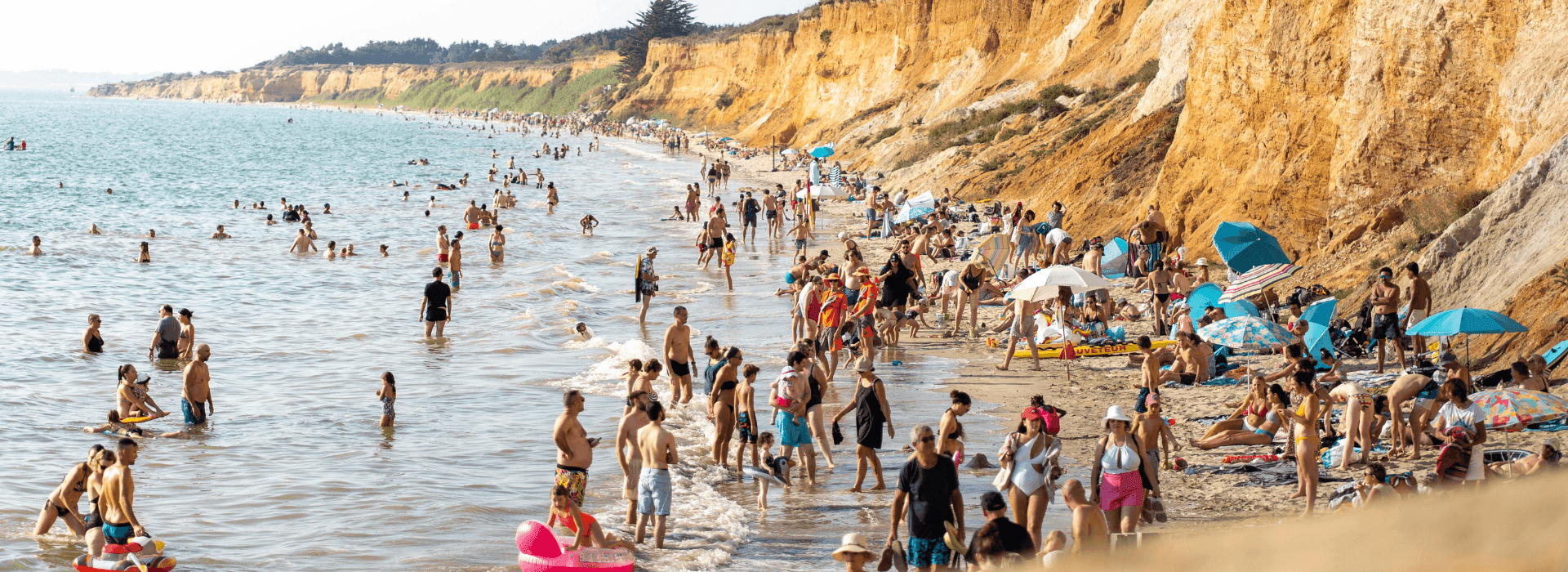
Here's the not-so-secret truth about European summer travel: the most popular destinations have a crowd problem. Venice in July. The Acropolis at midday in August. Barcelona's Park Güell on any given afternoon. The Trevi Fountain. The Eiffel Tower. Instagram has done a number on these places, and the volume of visitors is genuinely affecting the experience.
But here's the good news: you can absolutely have a magical European summer — you just have to be smarter about how you do it. With the right destinations, timing, and strategies, you can have the cobblestone streets, sunny piazzas, and aperitivo evenings of your dreams without the elbow-to-elbow tourist scrum.
Here's how.
Strategy 1: Travel in Shoulder Season
If you have any flexibility, this is the single most important thing you can do. The European summer high season is roughly mid-June to mid-September, with the worst crowds in July and August (when most of Europe is on vacation themselves). The shoulder seasons — May to early June and mid-September to October — are dramatically better.
Why shoulder season is better:
• Significantly fewer crowds at major attractions
• Better weather (often the same temperatures, less heat-stroke territory)
• Lower prices on flights, hotels, and tours
• Easier restaurant reservations
• More authentic local atmosphere (fewer tourists, more locals)
If you're locked into July or August because of school schedules or work, the strategies below become even more important.
Strategy 2: Skip the Greatest Hits
The most-Instagrammed European destinations are also the most overwhelmed. Some smarter alternatives:
Instead of Santorini → Try Naxos or Milos
Same Aegean beauty, dramatically fewer cruise ship crowds, more authentic Greek island life, and better food.
Instead of Venice → Try Bologna, Verona, or Trieste
Bologna has incredible food and porticoed streets without the cruise crowds. Verona offers Roman ruins and Shakespeare romance. Trieste sits on the Adriatic with a fascinating mix of Italian, Austrian, and Slovenian influences.
Instead of Barcelona → Try Valencia or Bilbao
Valencia has paella, beaches, and stunning architecture without Barcelona's overcrowding. Bilbao offers world-class art (the Guggenheim) and incredible Basque food culture.
Instead of Amsterdam → Try Utrecht, Ghent, or Bruges
Same canals, same charm, fewer tourists. Ghent in Belgium especially feels like Bruges without the day-trippers.
Instead of the Amalfi Coast → Try Puglia
The southern heel of Italy offers stunning beaches, whitewashed villages, and incredible food at a fraction of the Amalfi prices and crowds.
Instead of Paris in August → Try Lyon, Bordeaux, or Strasbourg
Or visit Paris in September instead. The locals leave Paris in August, which is part of why it gets so weird and tourist-heavy.
Strategy 3: Go to Underrated Countries
Some of Europe's best summer destinations are still flying under the radar:
Slovenia
Lake Bled, Ljubljana, and the Julian Alps offer Swiss-level beauty at half the price. Slovenia is small enough to see in a week and stunning enough that you'll wonder why you ever went anywhere else.
Albania
The Albanian Riviera is the Mediterranean's last truly affordable beach destination. Stunning beaches, fascinating history, and prices that recall what Croatia was like 15 years ago.
Estonia, Latvia, and Lithuania
The Baltic states offer medieval cities, dense forests, and a fascinating cultural mix. Tallinn in summer is one of Europe's most magical cities.
Northern Spain (Galicia, Asturias, Basque Country)
While everyone heads to Barcelona and the Costa del Sol, northern Spain offers cooler temperatures, dramatic coastlines, world-class food, and almost no other tourists.
Romania and Bulgaria
Transylvania's painted monasteries, Bulgaria's Black Sea coast, and incredibly affordable prices make these destinations real hidden gems.
Strategy 4: Visit Major Cities Smartly
If you're set on Rome, Paris, or London this summer, you can still have an incredible trip. The key is when and how you visit major attractions:
• Book skip-the-line tickets in advance. For Vatican Museums, Colosseum, Versailles, the Louvre — non-negotiable in summer. Buy them online weeks ahead, ideally with timed entry.
• Go early or late. Major sites are dramatically less crowded in the first hour after opening or the last hour before closing. Set your alarm.
• Avoid weekends in city centres. Locals and other tourists pour in. Mid-week visits are noticeably calmer.
• Stay in residential neighborhoods. Skip the tourist-trap hotels near major attractions. Stay in residential areas (Trastevere in Rome, Le Marais in Paris, Notting Hill in London) and commute in for sights.
• Eat where locals eat. The 6–8pm dinner crowd is mostly tourists. Eat lunch at noon and dinner after 8pm to dodge them.
• Embrace the early evening. Aperitivo in Italy, paseo in Spain — locals are out and crowds are bearable. This is when European cities feel best.
Strategy 5: Choose Your Pace Carefully
The biggest mistake summer Europe travelers make is trying to see too much. Six countries in two weeks looks ambitious on a spreadsheet but plays out as a hot, exhausted blur.
A better approach: pick one or two regions and go deep. A week in Sicily. Ten days in the Loire Valley. Two weeks in northern Portugal. You'll come home actually relaxed instead of needing a vacation from your vacation.
Strategy 6: Manage the Heat
European summers have gotten hotter, and many older buildings (including hotels) don't have effective air conditioning. A few practical tips:
• Confirm air conditioning when booking accommodations. "AC available" sometimes means a small unit in the lobby — confirm specifics.
• Plan strenuous activities for morning. Save afternoons for siesta-style downtime, museums (which are usually air-conditioned), or shaded spaces.
• Stay hydrated. European tap water is generally excellent — carry a refillable bottle.
• Embrace the local rhythm. There's a reason Mediterranean cultures slow down between 1 and 5pm.
Strategy 7: Take a River Cruise
This is one of the best-kept secrets of summer European travel. River cruises (Rhine, Danube, Douro, Rhône) sail through some of the most beautiful regions of Europe, dock right in historic city centres, and skip the most overwhelmed destinations entirely. You unpack once, see multiple countries, and let someone else handle the logistics.
For summer travelers who want efficiency without crowds, river cruising is hard to beat.
The Bottom Line
European summer travel has changed, but the magic is still there — you just have to find it. With smart timing, thoughtful destination choices, and a willingness to skip the obvious in favour of the brilliant, your European summer trip can be everything you dreamed of.
Our GOwithHIPPO travel advisors specialize in building European itineraries that feel authentic, manageable, and genuinely memorable — not the highlight-reel sprint that leaves most travelers exhausted. Tell us what you're hoping for, and we'll show you how to do it right.
Ready to start planning? Connect with a GOwithHIPPO travel advisor today. Our independent advisors across Canada are passionate travel experts who handle every detail — from flights and accommodations to insurance and insider tips — so you can focus on the fun part: getting excited for your trip.