
Destination Spotlight — Iceland: Land of Fire, Ice, and Bucket-List Adventures
The Country That Looks Like Another Planet
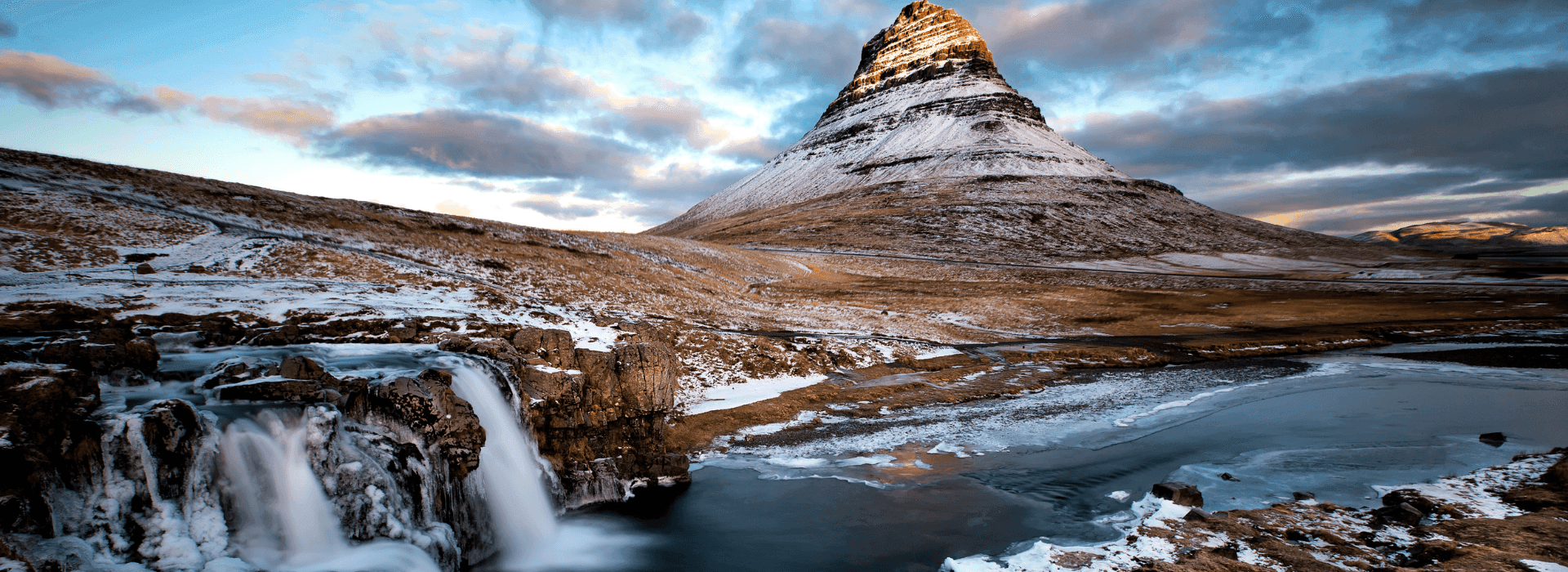
There's nowhere quite like Iceland. In a country smaller than New Brunswick, you'll find active volcanoes, glaciers older than civilization, geysers shooting boiling water into the air, lava fields, ice caves, black sand beaches, and waterfalls so massive they seem photoshopped. Add the Northern Lights in winter and the midnight sun in summer, and you have one of the most unique destinations on Earth.
For Canadians, Iceland is also surprisingly accessible — direct flights from Toronto and other eastern hubs put you in Reykjavík in about five hours, less than a flight to many Caribbean destinations. Here's what you need to know to plan a trip that lives up to the photos.
Why Iceland Belongs on Your List
• Otherworldly landscapes. Iceland's volcanic geology and geothermal activity create scenery you won't find anywhere else on Earth. Sites like the Diamond Beach, Skógafoss waterfall, and the Highlands feel like stepping into another planet.
• Northern Lights potential. From late September to early April, Iceland is one of the world's premier destinations for the aurora borealis.
• Genuine adventure. Glacier hiking, ice caving, snowmobiling, whale watching, lava tunnel tours — Iceland delivers real adventure activities that don't require expert skills.
• Surprisingly easy. English is universally spoken, the country is extremely safe, and the infrastructure (roads, hotels, services) is excellent.
• Year-round appeal. Iceland delivers different magic in every season — Northern Lights in winter, midnight sun and lush green landscapes in summer, fewer crowds in shoulder seasons.
When to Go
Iceland is a year-round destination, but each season offers different experiences:
Summer (June to August)
Best for: maximum daylight, accessible Highland routes, hiking, and seeing puffins. The midnight sun means you can hike at 11pm if you want. Roads are fully open, including remote interior routes. Drawback: highest prices and most crowds.
Shoulder Seasons (May, September, October)
Best for: balanced experience — fewer crowds, lower prices, still-accessible roads, and Northern Lights starting in mid-September. Our top pick for most travelers.
Winter (November to March)
Best for: the full "land of fire and ice" experience — Northern Lights, ice caves, snow-covered landscapes, frozen waterfalls. Drawbacks: limited daylight (4–5 hours in December), unpredictable weather, and many roads closed. But the experience is unforgettable.
How Long Do You Need?
• 3–4 days: Reykjavík + Golden Circle + Blue Lagoon (the classic short trip). Great for a long weekend or a stopover.
• 5–7 days: Add the South Coast (Vík, Jökulsárlón Glacier Lagoon) and either the Snæfellsnes Peninsula or some West Iceland highlights.
• 8–10 days: The full Ring Road — circumnavigating Iceland with stops in the East Fjords and northern Iceland. The classic Icelandic road trip.
• 10+ days: Add the Westfjords (Iceland's most remote and arguably most spectacular region) or extended Highland exploration.
The Must-Do Experiences
The Golden Circle
The most famous tourist route in Iceland — and famous for good reason. Hits Þingvellir National Park (where you can walk between the North American and Eurasian tectonic plates), Geysir geothermal area, and Gullfoss waterfall. All within an easy day trip from Reykjavík.
The South Coast
Possibly the most rewarding stretch of road in Iceland. Highlights include Seljalandsfoss (a waterfall you can walk behind), Skógafoss, the black sand beach at Reynisfjara, and the otherworldly Jökulsárlón Glacier Lagoon — where you can take a boat ride among floating icebergs.
The Blue Lagoon (or a Better Alternative)
The Blue Lagoon is Iceland's most famous spa, but it's also crowded and expensive. Many travelers prefer the newer Sky Lagoon (closer to Reykjavík) or the Mývatn Nature Baths (in the north). All three are spectacular — pick based on your itinerary and crowd tolerance.
Northern Lights Hunting
From late September to early April, with peak season November to February. For the best viewing, you want clear skies, dark skies (away from city light), and high aurora activity. Hotels in remote areas offer wake-up calls when the lights appear, and several companies run dedicated Northern Lights tours.
Glacier Hiking and Ice Caves
Iceland's glaciers cover roughly 11% of the country. With a guide, you can walk on a glacier or descend into an ice cave — surreal blue-glowing chambers that exist only in winter. These are absolute bucket-list experiences.
Whale Watching
Húsavík in the north is one of the world's premier whale-watching destinations, with sightings of humpback, minke, and even blue whales. Reykjavík harbour also offers reliable whale-watching trips.
Self-Drive vs. Guided Tour
Iceland has two main ways to travel, and both work well:
Self-Drive (Ring Road)
Best for: travelers comfortable driving in unfamiliar conditions who want flexibility and independence. The Ring Road is paved, well-marked, and easy to navigate in summer. Winter driving is more challenging — only consider it if you're experienced with snow and ice.
Pros: total flexibility, ability to stop at every waterfall, and a real sense of adventure.
Cons: weather can be unpredictable, you're responsible for navigation and timing, and rental car costs add up.
Guided Group Tour
Best for: first-time visitors, winter travelers, and anyone who'd rather not deal with logistics.
Pros: zero stress, expert guides who know the best Northern Lights spots, comfortable transport, and built-in social experience.
Cons: less flexibility, set itinerary.
Hybrid Approach
Many of our clients combine a few days of self-driven exploration around Reykjavík and the South Coast with a guided multi-day tour of the more remote regions. Best of both worlds.
Practical Tips
1. Iceland is expensive. Plan your budget accordingly. Eating out can run $30+ per meal at modest restaurants, and alcohol is heavily taxed. Self-catering and grocery store meals can save significantly.
2. Pack for all weather. Even in summer. Layers, waterproof everything, and good hiking boots are essential.
3. Don't underestimate driving distances. The Ring Road is about 1,332 km. Allow at least 7 days to enjoy it.
4. Book accommodations early. Especially for summer. Iceland's tourism has grown faster than its hotel inventory.
5. Respect the nature. Iceland's ecosystems are fragile. Stay on marked paths, never drive off-road (it's illegal and damaging), and don't touch the moss.
6. Buy travel insurance. Weather-related cancellations and route changes are common. Good insurance protects your investment.
Building Your Iceland Trip
There are dozens of ways to do Iceland well — from a quick Reykjavík stopover to a 12-day Ring Road expedition. The right trip depends on how long you have, what time of year you're visiting, and what experiences excite you most.
Our GOwithHIPPO travel advisors love planning Iceland trips because the country rewards thoughtful planning so well. We'll help you figure out the right itinerary, the right time, and the right balance of guided experiences and independent exploration. Whether it's a Northern Lights chase, a midnight-sun summer adventure, or a stopover on your way to Europe, we'll build you a trip you'll remember forever.
Ready to start planning? Connect with a GOwithHIPPO travel advisor today. Our independent advisors across Canada are passionate travel experts who handle every detail — from flights and accommodations to insurance and insider tips — so you can focus on the fun part: getting excited for your trip.